Friday, December 15, 2017

Death By Fructose: The Toxin to Avoid

featured-img
casey.pngCASEY THALER
Everyone knows that excess sugar in your diet is bad for you. But would you go as far to consider sugar a poisonous drug?
People often forget that there are many different types of sugar, and surprisingly, fructose is by far the most detrimental to your health. I would argue that excess fructose could be classified as chronically toxic (1), meaning that a small, infrequent overdose of fructose likely won’t cause problems, but a lifetime of fructose in excess can cause a variety of diseases.

What Exactly is Fructose?

Well, to answer that question, we need to get into a little bit of chemistry. There is glucose, which is used by every cell in the body. And then there is fructose, which is processed almost entirely by your liver. The main transporter for fructose is called GLUT5.
There are many parallels between fructose and alcohol, which everyone recognizes as toxic (2). It strikes me as continuously odd that fructose remains largely unrecognized as a potential toxin, even though nonalcoholic fatty liver disease, sugar consumption and diabetes rates continue to climb, fructose is largely ignored.
Furthermore, when one looks at diets that are successful, they all have one common denominator. What is this? They all eliminate large amounts of dietary fructose. Fructose was initially thought to be advisable because it does have a low glycemic index. This was before we understood its negative biochemical effects. It was also shown that chronically high consumption of fructose leads to hepatic and extrahepatic insulin resistance (3). Fructose has also been linked to obesity, type 2 diabetes, and high blood pressure. This infographic shows all the negative effects of fructose on human physiology:
F1.large_1.jpg

The Dangers of Fructose

The problem with fructose is that it does not lend the same satiety signal to your brain, meaning that you don’t realize you just ingested all the calories that you actually did. The best example of this is seen in a can of soda, which typically contains 70g (!) of sugar.
soda4.jpg
What’s more disturbing is that companies flat out LIE about the amount of fructose in their products (4). Right on the labels! Drinks advertised as containing no high fructose corn syrup sometimes contain MORE fructose than the drinks that DID list it on the label. And if you think fructose is only a problem in soda, think again.
gr3_lrg.jpg
The main reason why we eat so much of it is because fructose is the sweetest tasting of all sugars. Its sweet taste can be found in foods like honey, bananas, apples, dates and many other fruits and fruit juices.

Commercialized Food and High Fructose Corn Syrup

Fructose is most widely known for its use in high fructose corn syrup, made from a mixture of glucose and fructose. If you think this blend is only found in desserts and drinks, think again! Just about everything in our food supply contains high fructose corn syrup, from deli meats and condiments to bread and cereal.
hfcs-food-products.jpeg
Because of its biochemistry, high fructose corn syrup has become a real threat to maintaining a healthy lifestyle. Since its addition to our foods in the 1970s, our diet has changed from more traditional meals of meat and vegetables to ones based on refined carbohydrates.
Our genome was arguably not set up for this. Over time, we likely ate a low-ish carbohydrate diet, at times likely even ketogenic, when food wasn’t available for periods of time. Now we have convenience stores on every corner, offering liquid sugar, high carbohydrate “franken-foods” and high fat, high sugar foods.
Unsurprisingly, fructose consumption has been correlated with cancer (5). While correlation does not necessarily equal causation, there are many causative problems with fructose consumption. The cross-linking of proteins is one problem (6). As this process occurs, diseases related to aging become inevitable.

Fructose and Dementia

High fructose consumption can result in a plethora of age-related diseases, like atherosclerosis, hypertension, erectile dysfunction, kidney disease, stiffness of joints and skin, arthritis, cataracts, retinopathy, neuropathy, Alzheimer’s and many, many more. Here is a graph, showing exactly how high levels of sugar correlate with dementia.

The Damaging Cycle of Food Addiction

Here’s a schematic that shows EXACTLY how fructose factors in to our now-diseased population. Stopping this cycle is easiest when you simply limit your dietary amount of fructose. All other possible interventions are more complicated, or impossible. It is quite a simple solution, but the rewarding nature of food makes it hard for some individuals to stop.
F3.large_.jpg
The liver-damaging effects of fructose are also well-documented. Hepatic dysfunction is not desirable, and nonalcoholic fatty liver disease (NAFLD) in children is rising. NAFLD is directly linked to fructose consumption, either by ingestion of soda or fruit juice (7). Fructose is somewhat similar to grains in that it is largely useless for the body to consume the substance. However, it is actually worse than grains, because fructose in large amounts becomes toxic.
Sadly, I see this misunderstood in the Paleo community all the time. Just because it is Paleo doesn’t mean you should consume 10 pieces of fruit per day. The same thing happens with nuts. People tend to overdose on these items, when in reality, a balanced, well-rounded diet would work much better.

The Bottom Line

So, have I convinced you to stay away from fructose yet? Does it make you feel good that fructose is one of the most likely suspects for the current $245 billion per year that we spend on diabetes? I wouldn’t imagine so. Sugar, mainly fructose, is also quite heavily marketed towards children (8). We need to stop that practice, immediately, if we have any hope for a healthy future.
As Dr. Robert Lustig has stated, fructose is simply alcohol “without the buzz” (9). Nearly everything else about the substance is the same. Fructose does not generate an insulin response, which is part of why it’s so dangerous. When we don’t know we’ve eaten something, such as in the case of the body’s hormonal response to fructose, we run the increased risk of overconsumption. Hormonally, fructose causes reductions in insulin, a reduction in leptin (so you feel less full), and increases the expression of the hormone ghrelin (so you feel hungrier). Not a good combination.
Screen-Shot-2014-11-17-at-3.11.43-PM.png
Here we see the leptin resistance, dyslipidemia, increased triglycerides, muscle insulin resistance, and other negative effects all from the biochemistry of fructose ingestion. Fructose offers no benefits and only negative consequences, but it’s difficult to limit our intake of the stuff. That’s because its sweetness, which evolutionarily meant nutrient-rich foods, is hard for humans to simply consume in moderation.

Thursday, December 14, 2017

The Shocking Statistical Truth About Sugar

Contributing Writer for Wake Up World
Truth IS: we live in a society that constantly feels the “need” to reward every single good job with sweet treats. After a few years of “rewarding” the outcome is obvious, both psychologically and physically.
Truth IS: there are more than 70 health disorders that are connected to sugar consumption. Some of the most common are: diabetes, poor brain development in children, lack of concentration, allergies, asthma, ADHD, hypoglycemia, mood swings, immune and nutritional deficiencies.
Truth IS: “In humans sweet receptors evolved in ancestral environments poor in sugars and are thus not adapted to high concentrations of sweet compounds. The supranormal stimulation of these receptors by sugar rich diets generates a supranormal reward signal in the brain, with the potential to override self-control mechanisms and thus to lead to addiction.” (Intense Sweetness Surpasses Cocaine Reward. Lenoir M. PLos ONE. 2007; 2(8):e698)
Solution IS: there are many solutions now to ditch sugary diets, some including getting some expert help and educating yourself on the matter, to help you understand the process and what this is doing to your health and how it affects the quality of your life. To start, try this experiment: don’t eat ANY kind of sugar for a week (some low glycemic grains and low starches are allowed). Don’t eat fruits, honey, jams, candy, desserts, don’t drink any soda or juices. If you feel withdrawal symptoms (irritability, shakiness, mood swings, dizziness, constant thoughts about sugar,etc) then you ought to know it’s high time to revise your diet.
The infographic below will help you get the “whole picture”…
Recommended reading by Raluca Schachter:
About the author:
RalucaLong-time contributor Raluca Schachter is a passionate Nutritionist, Metabolic Typing Advisor, and a Weston A. Price Chapter Leader. She believes in the benefits of traditional unaltered food, ancestral wisdom, sustainable farming and simple living.
Raluca was able to naturally reverse chronic health conditions she was struggling with most of her life, and now uses her knowledge to help as many people as possible do the same. Her unique Metabolic Typing® Ecological Lifestyle Programs for Optimal Health offer a very unique and comprehensive approach to health, where individual nutritional and biochemical requirements are firstly met using specific nutrients and foods that each metabolism thrives on. Raluca offers her services for local and distance clientele.
You can connect with Raluca via:

What Happens In Your Body When You Suffer From Thyroid Disease?

Contributing writer for Wake Up World
Have you ever wondered how can the thyroid, such a small butterfly shaped gland be responsible of so many negative symptoms that affect your entire metabolism? This happens because the thyroid functions are interconnected with each system in the organism. If the thyroid doesn’t work well, neither do you and you can’t possibly feel well.
Thyroid disease has been on the rise for the past few decades, yet many thyroid dysfunctions are not correctly diagnosed or are diagnosed too late. The thyroid hormone is found in each cell of your body and this is a major reason many experts believe the conventional way of diagnosing thyroid illnesses is not precise: measuring TSH (thyroid stimulating hormone) exclusively from blood doesn’t reflect the intracellular level of the hormone. Additionally, the thyroid gland and the hormones it is utilizing don’t exist in isolation inside the organism. This is why it is necessary to evaluate the functional relationships between the thyroid and various other organs, glands and systems.

Chronic constipation is a common symptom when dealing with hypothyroidism. Thyroid dysfunction slows down the food transport in the intestines. This raises the risk for infections with pathogens in the intestines, contributes to inflammation, malabsorption and food sensitivities. The low level of gastrin determines intestinal discomfort, reflux, bloating and the low level of gastric acid determines protein deficiency.

The Digestive System.

Thyroid hormones strongly influence the tight junctions in the stomach and small intestine, which form the impermeable barrier of the digestive system. Leaky gut syndrome is a primary factor in autoimmune diseases as Hashimoto.
Studies have shown that thyroid hormones T3 and T4 protect the intestinal mucosal barrier against stress induced ulcer development. Inflammation in the digestive system reduces T3 through raising cortisol levels. Additionally, intestinal bacteria assists in transforming 20 percent of inactive T4 hormone into its active T3 form. Intestinal dysbiosis – the imbalance between pathogenic and beneficial intestinal flora, drastically reduces this conversion.

The Gallbladder and Liver.

Hypothyroidism affects the gallbladder function through reducing bile flow. The liver metabolizes hormones, filters toxins and cleans the blood. Hypothyroidism interferes with this process and the gallbladder and liver become congested, leading to gallstones. Thyroid hormones affect the most the liver cells responsible for detoxification. At the same time, liver dysfunction will affect both thyroid function, as well as the detoxifying mechanisms of the body. A low T3 level usually reflects liver dysfunction, because the T4 – T3 conversion takes place in the liver. This can also be confirmed through analyzing liver enzymes GGTP and ALT and their high level.

The Bone System.

The thyroid gland produces and stores calcitonin, a regulatory hormone of calcium. Hypothyroidism interferes with the correct process of long bones formation.

Insulin and Blood Sugar.

Persons with a reduced thyroid function absorb glucose slower than normal and so the cells can’t use it to produce energy. The surge of insulin produced in the insulin resistance stage accelerates the thyroid destruction in people with autoimmune thyroid disease. When the gland is destroyed, the hormone production will lower.
When the blood sugar level sinks below normal (hypoglycemia), the adrenal gland responds by secreting cortisol. This transmits to the liver to produce more glucose in order to reestablish normal levels. Unfortunately for the hypoglycemics, the constant cortisol production determined by hypoglycemic episodes suppress the pituitary gland function. This also negatively affects the thyroid.

Estrogen and Progesterone.

Estrogen must first be transformed in a water soluble state in the liver in order to be eliminated from the body. During this process estradiol is made, a secondary type of estrogen. Hypothyroidism can block this process, contributing to estrogen dominance, breast cancer, uterine fibroids and ovarian cysts.
Thyroid hormones sensitize the body’s cells so that they can be available to progesterone. When receptors are not exposed to enough thyroid hormones, they loose their ability to allow progesterone to enter the cells.

Fat Burning.

Hypothyroidism slows down the body’s metabolism and its ability to burn fat. Adrenal hormones that stimulate fat burning are not efficient anymore and the cells’ receptors that answer to lipase – an enzyme which metabolizes fat, are not available.

Cholesterol.

Cholesterol is the main source for steroid hormones formation. Cell absorption of LDL cholesterol will be reduced if there isn’t sufficient thyroid hormone in the cells. LDL will raise significantly in blood due to dysfunctional utilization of thyroid hormone. When the thyroid of a person is underworking, fat will be stored much faster than the body can burn it, which will determine high triglycerides and LDL cholesterol in blood.

Adrenal Glands.

The HPT axis (hypothalamus – pituitary – thyroid) works as a feedback loop; if the thyroid is functioning well, your cells have sufficient energy. Some dysfunctions which can be involved in the imbalance of the axis are: methylation cycle dysfunction, dysfunction of the HPA axis (hypothalamus-pituitary-adrenal), nutrient deficiencies which are needed for thyroid hormone formation (selenium, zinc, iron, gluthatione, vitamin A, D, iodine) and liver dysfunctions.
Adrenal glands fall under the control of the sympathetic nervous system. The thyroid is strongly influenced by the parasympathetic nervous system. Often a person with hypothyroidism is in a dominant parasympathetic state, and so the sympathetic system is weaker. Considering the strong relation between adrenals, hypothalamus and thyroid, one can observe how the dysfunctional state of the exhausted adrenal glands can cause a cascade of problems for thyroid function.
As you can see in the below figure, glucorticoid hormones (which include cortisol) can suppress T4 – T3 conversion. So a person with a high level of cortisol (and stress) risks to suffer from low thyroid function. Additionally, the high cortisol level can result in excessive production of inactive reverse T3 (rT3), which will compete with T3 and so suppress thyroid function.
Other stress hormones like CRH produced by the hypothalamus will have an inhibitory effect on the thyroid, blocking TSH transport to the thyroid.
On top of this, if a person presents mercury toxicity and doesn’t consume a clean and correct diet for her/his metabolism, the risk of developing hypothyroidism will become even higher.
References:
About the author:
Raluca Schachter is a passionate Nutritionist, Metabolic Typing Advisor, and a Weston A. Price Chapter Leader. She believes in the benefits of traditional unaltered food, ancestral wisdom, sustainable farming and simple living.
Raluca was able to naturally reverse chronic health conditions she was struggling with most of her life, and now uses her knowledge to help as many people as possible do the same. Her unique Metabolic Typing® Ecological Lifestyle Programs for Optimal Health offer a very unique and comprehensive approach to health, where individual nutritional and biochemical requirements are firstly met using specific nutrients and foods that each metabolism thrives on. Raluca offers her services for local and distance clientele.
You can contact Raluca via:

Warning Signs Body May Show A Couple Of Weeks Before A Heart Attack

Heart disease is a main cause of death in the whole world, about 25% of lethal outcomes happen for this reason. Nevertheless, 90% of CVD (cardiovascular disease) can be prevented with a help of a balanced nutrition, exercise and a lack of bad habits.
girl_with_heart_attac_796x416
Coronary artery disease (CAD) is a disease that combines coronary artery atherosclerosis, stenocardia and myocardial infarct. Amid the accumulation of cholesterol plaques on the coronary walls of arteries, the heart’s arteries become narrow and the flow of blood worsens. Eventually, plaques only grow, blocking the flows of blood. While the majority of drugs are not capable of dissolving them, the chances of heart attack become frightening.
A heart attack is especially insidious because it can happen unpredictably. Moreover, 20% of heart attacks are asymptomatic. Such “silent” heart attacks do damage person’s health condition. That’s why is it crucially important that you learn the symptoms that can warn you about a possible heart attack. Here are the 6 warnings of myocardial infarct.
heart_attack_4

1. Pressure in the chest

You should not ignore pressure or pain in the chest. It is a clear sign that you have a heart problem that needs an immediate care. Frequent pain in the chest is a sign that a heart attack can happen anytime. If a pain spreads to your arms, back, shoulders and neck — is it a reason to call an ambulance immediately!

2. Shortness of breath

A heart and lungs work in tandem, so problems with one organ can influence problems with another. Narrowing of arteries blocks the normal flow of blood. Amid this fact, your lungs get not enough blood and you literally start suffocating.

 3. Idiopathic fatigue

Juta//Shutterstock.com
If you wake up already tired and you feel the lack of strengths to do your usual daily work, it can be a signal of coming heart attack. Excessive tiredness indicates that your heart works harder to pump blood.

4. Symptoms of flu or cold

It may sound strange but the majority of patients, who survived a heart attack, claim that they felt the symptoms of flu or cold before facing a heart attack.

5. Cold sweats

Clammy and cold sweat is a well-known symptom of a heart attack. It means that your heart does not get enough oxygenated blood. Your brain starts suffering from the lack of oxygen and blood circulation failure so that your conscious is confusional and foggy and you break into a cold sweat on your forehead. You may also experience swelling in your feet and legs at the end of the day.

6. Mood swings

Photographee.eu//Shutterstock.com
A sensation of a baseless fear that doesn’t leave you is a sign of oxygen deficit. If your mood jumps from calm and happy to anxious for no reason, it might be that your organism warns you about an impending heart attack.
Of course, a single symptom doesn’t mean that you will have a heart attack. But with their help, your organism makes you warning signals and asks for help. Remember, that all these symptoms are hints that you should take into account and look for a reason of a disease instead of taking painkillers to get rid of the pain. Listen to your body and be healthy.
Source: earthables.com
This post is solely for informational purposes. It is not intended to provide medical advice. WIKR doesn’t take responsibility for any possible consequences from any treatment, procedure, exercise, dietary modification, action or application of medication which results from reading or following the information contained in this post. Before undertaking any course of treatment, the reader should consult with their physician or other health care provider.

Wednesday, December 13, 2017

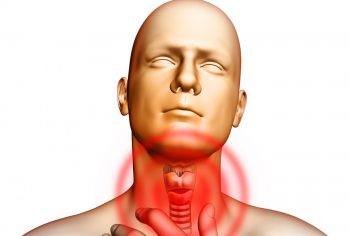
New Research Links Hand Sanitizer Use With Thyroid Cancer

Contributing writer for Wake Up World
A new study published in Occupational and Environmental Medicine may give you pause for thought the next time you reach for your favorite hand sanitizer. We’ve long known that the chemicals present in these products aren’t the best thing to be applying to the skin, not to mention they’re exceptionally drying. But occasional use can’t be that harmful, right? As it turns out, using chemical hand sanitizers can actually triple the risk of developing thyroid cancer.
The research team reviewed data from over 900 patients — 462 adults with thyroid cancer in 2010 and 2011 and compared them with 498 control subjects. They subsequently calculated exposure to the biocide chemicals based on both reported use and detailed information regarding occupational exposures. Those who work in medicine or cleaning — like healthcare providers in hospitals, home health assistants and professional building cleaners — were found to have the highest biocide exposure.
Although not involved with the study, Laura Koniver MD summarizes the study’s results as follows:
  • Women with any occupational exposure at all were 48% more likely to develop thyroid cancer.
  • Men with any occupational exposure at all were 300% more likely to develop thyroid cancer — 3 X the normal rates of thyroid cancers!
  • The over all risk of using biocides increased thyroid cancer rates by 65%
  • For those with highest cumulative exposures (associated with jobs that require hand sanitizer use such as health professions) the risk of thyroid cancer more than doubled.
  • These biocide chemicals are known hormone disrupters… for example, Triclosan has been shown to interrupt and decrease the levels of several different thyroid hormones (necessary for growth and metabolism.)
Needless to say, it’s best to give these chemical-based sanitizers a wide berth if we would like to stay healthy. Not only are they potent hormone disruptors, but they’re already causing the creation of superbugs, where the bacteria and viruses are becoming resistant to these wipes, sprays and antibacterial hand soaps. And since many of these products contain alcohol, which dries and cracks the skin, they actually make you more exposed to the pathogens around you. Biocide chemicals can also put you at risk for hypothyroidism, damage reproductive organs and sperm quality, as well as disrupt the production of sex and thyroid hormones. But that’s not all.

Increased Blood Serum Levels of BPA Directly Connected to Hand Sanitizer Use

A study published in the journal PLOS found that holding a sales receipt and eating food after applying hand sanitizer significantly increased the absorption of Bisphenol A (BPA) by the body.
According to the study, holding a receipt printed on thermal paper — including airline boarding passes, as well as gas, ATM, cash register and many other types of receipts — for as little as 2 seconds after applying hand sanitizer, can increase BPA absorption by as much as 185 times. The researchers studied people in fast food restaurants, food courts and shopping malls, and found a “dramatic” increase in serum BPA levels after using hand sanitizer, holding a receipt, and then eating with the BPA-contaminated hand. Besides skin absorption on the hands, the main exposure was through the thin skin of the mouth, not the gastrointestinal tract.
“Hand sanitizers and other skin products (e.g. soaps, sunscreens, lotions) contain “dermal penetration enhancers” that are designed to enhance the delivery of the active ingredients they contain. Previous studies have found that dermal penetration enhancers can increase the absorption of estradiol, a chemical very similar to BPA, by as much as 100-fold.”
This is especially concerning since BPA has been linked with a wide-range of diseases, including obesity, diabetes, infertility, cancer, cardiovascular disease, poor immune function, inflammation, endocrine (hormonal) disruption, and neurological disorders like aggressiveness, hyperactivity and learning impairments.
Unfortunately, the chemical is everywhere and difficult to avoid. It’s not only found in thermal receipts, but also in plastic containers, food cans, cell phones, automobile parts, eyeglass lenses, sports equipment and more. Over 15 billion pounds of the stuff is manufactured each year. Incredibly, 93 percent of Americans have BPA in their urine.
So how do we minimize our exposure to both BPA and the toxins in biocide products?
A good place to start is to ditch chemical- and alcohol-based hand sanitizers altogether and use either natural essential oil sprays with thyme and lavender oil, or a reusable silver-infused disinfecting cloth. Don’t forget about good old-fashioned soap and warm water for washing hands to keep germs at bay.
We can also avoid handling thermal receipts (even with dry hands) for more than very brief periods of time. Using glass and stainless steel containers for food storage is another way to reduce BPA exposure, as is using glass and stainless steel water bottles. Lastly, baby bottles made of glass have made a comeback for parents who would like to protect their children from the chemicals in plastic.
Related reading:
Article sources: