Wednesday, April 26, 2017

Nine Dangers of Fluoride Exposure

fluoride-small
Guest Writer for  Wake Up World
Exposure to fluoride is a contentious topic, mostly because exposure is everywhere. Not only is fluoride a common ingredient in toothpaste, many municipalities have a fluoridated water supply. Why? Well, the reason we’re given is that it encourages oral health… even though it’s not known to prevent harmful oral bacteria. [1] What is known is that fluoride is toxic. In fact, the number one reason for poison control calls concerning fluoride are for children who’ve eaten toothpaste. [2] [3] Long-term ingestion is harmful to the brain, digestive system, heart, bones… even the tooth enamel it’s supposed to help. [4] [5] [6] These next 9 shocking facts will make you take a second look at your exposure to fluoride.

1. Weakens Skeletal Health

Skeletal fluorosis is a condition resulting from fluoride consumption. The liver is unable to process fluoride, thus it passes into the bloodstream where it combines with calcium that’s been leeched from the skeletal system. You’re left with weak bones, otherwise known as skeletal fluorosis. The risk has been known about for decades yet it’s not been established how much exposure will trigger skeletal fluorosis… and the impact it has on quality of life is horrendous. [7] [8] [9] The best way to protect yourself is to avoid fluoride. Recently, Chinese authorities established a link between reductions in fluoride exposure and the incidence of fluorosis. [10]
2. Causes Arthritis
Fluoride has been shown to cause calcification of cartilage, the essential tissue for joint health. [11] Degenerative osteoarthritis has been linked to skeletal fluorosis. [12] And in a study of individuals suffering from fluorosis, osteoarthritis knee conditions occurred frequently. [13]

3. Toxic to the Thyroid

Iodine and fluoride belong to a family of compounds known as halogens. Although iodine is beneficial to the thyroid, fluoride is not. However, because of the similarities, the thyroid can absorb fluoride instead of iodine. This is bad. Fluoride is toxic to thyroid cells; it inhibits function and causes cell death. [14] For decades, fluoride was used to reduce thyroid function in individuals suffering from an overactive thyroid. [15] Now — and pay attention to this — the range used in water fluoridation matches the levels typically used to reduce thyroid function. [16]

4. Calcifies the Ultra-Important Pineal Gland

Although the full capabilities of the pineal gland have been the subject of debate for centuries, it’s known for certain that, at a minimum, the pineal gland regulates body rhythms and wake-sleep cycles; two extremely important functions. Fluoride is especially toxic to the pineal gland, where it accumulates and calcifies the gland. In fact, by the time the average person reaches old age, their pineal gland will have higher calcium density than their bones. [17]

5. Accelerates Female Puberty

It also deserves mention that the pineal gland plays an integral role in the onset of puberty. Research has shown that girls living in areas prone to more fluoride exposure experience puberty earlier than girls exposed to less. [18] Fluoride’s damaging effect on sexual function only begins here…

6. Harmful to Male and Female Fertility

A direct link exists between fertility rates and fluoridated drinking water. Higher levels of fluoride correspond to lower fertility rates, particularly with drinking water levels of 3 ppm. [19] Animal models show that fluoride reduces reproductive hormones in females. [20] Men have it just as bad; those suffering from fluorosis have lower testosterone and fertility than men with limited fluoride exposure. [21]

7. Bad for Kidney Health

Fluoride is toxic to the kidneys and a higher rate of chronic kidney disease has been reported in areas where the water contains high levels of fluoride. [22] [23] According to Chinese researchers, a fluoride level of 2 mg/L is all it takes to cause renal damage in children. [24] While water fluoridation levels are often much lower than this, the fluoride bombardment continues with toothpaste and other sources.

8. Harmful to the Cardiovascular System

Research suggests that exposure to fluoride causes cardiovascular inflammation and atherosclerosis. [25] [26] Other research has examined its effect on blood pressure but had mixed results. Regardless, despite that cardiovascular disease can have many causes, the evidence, and history show its incidence increases with exposure to fluoride.

9. Negative Cognitive Effects

The Fluoride Action Network reports that, as of May 2013, 43 studies have examined the effect of fluoride on human intelligence. The results should motivate anyone to minimize their fluoride exposure. One observation is that fluoride negatively impacts children’s neural development. [27] Another is that children living in highly fluoridated areas have up to five times greater chance of developing a low IQ compared to those who do not. [28]

Reducing Your Exposure to Fluoride

Using non-fluoride toothpaste can immediately reduce your fluoride exposure. Maintaining healthy iodine levels can help protect the thyroid from fluoride. Fluoridated water is the largest concern and most water filters are not adequate for removing fluoride; instead look to a reverse osmosis water purification systems.
Have you made efforts to reduce your exposure and minimize the dangers of fluoride? What tips do you have? Please leave a comment below and share with us.
-Dr. Edward F. Group III, DC, ND, DACBN, DCBCN, DABFM
Article References:
  1. Puciennik-Stronias M, Zarzycka B, Bo?tacz-Rzepkowska E. The effects of topical fluoridation of enamel on the growth of cariogenic bacteria contained in the dental plaque. Med Dosw Mikrobiol. 2013;65(2):129-32.
  2. Shulman JD, Wells LM. Acute fluoride toxicity from ingesting home-use dental products in children, birth to 6 years of age. J Public Health Dent. 1997 Summer;57(3):150-8.
  3. Whitford GM. Acute toxicity of ingested fluoride. Monogr Oral Sci. 2011;22:66-80. doi: 10.1159/000325146. Epub 2011 Jun 23.
  4. C. J. Spak, S. Sjöstedt, L. Eleborg, B. Veress, L. Perbeck, and J. Ekstrand. Tissue response of gastric mucosa after ingestion of fluoride. BMJ. 1989 June 24; 298(6689): 1686–1687.
  5. Sauerheber R. Physiologic conditions affect toxicity of ingested industrial fluoride. J Environ Public Health. 2013;2013:439490. doi: 10.1155/2013/439490. Epub 2013 Jun 6.
  6. Perumal E, Paul V, Govindarajan V, Panneerselvam L. A brief review on experimental fluorosis. Toxicol Lett. 2013 Nov 25;223(2):236-51. doi: 10.1016/j.toxlet.2013.09.005. Epub 2013 Sep 17.
  7. Czerwinski E, Nowak J, Dabrowska D, Skolarczyk A, Kita B, Ksiezyk M. Bone and joint pathology in fluoride-exposed workers. Arch Environ Health. 1988 Sep-Oct;43(5):340-3.
  8. Chachra D, Limeback H, Willett TL, Grynpas MD. The long-term effects of water fluoridation on the human skeleton. J Dent Res. 2010 Nov;89(11):1219-23. doi: 10.1177/0022034510376070. Epub 2010 Sep 21.
  9. Paiste M, Levine M, Bono JV. Total knee arthroplasty in a patient with skeletal fluorosis. Orthopedics. 2012 Nov;35(11):e1664-7. doi: 10.3928/01477447-20121023-29.
  10. Chen H, Yan M, Yang X, Chen Z, Wang G, Schmidt-Vogt D, Xu Y, Xu J. Spatial distribution and temporal variation of high fluoride contents in groundwater and prevalence of fluorosis in humans in Yuanmou County, Southwest China. J Hazard Mater. 2012 Oct 15;235-236:201-9. doi: 10.1016/j.jhazmat.2012.07.042. Epub 2012 Aug 8.
  11. Bang S, Boivin G, Gerster JC, Baud CA. Distribution of fluoride in calcified cartilage of a fluoride-treated osteoporotic patient. Bone. 1985;6(4):207-10.
  12. P. Roschger, P. Fratzl, S. Schreiber, G. Kalchhauser, H. Plenk, K. Koller, J. Eschberggrill, K. Klaushofer. Bone mineral structure after six years fluoride treatment investigated by backscattered electron imaging (BSEI) and small angle x-ray scattering (SAXS): a case report. Bone (Impact Factor: 3.82). 01/1995; 16(3):407-407. DOI:10.1016/8756-3282(95)90480-8.
  13. Savas S, Cetin M, Akdoan M, Heybeli N. Endemic fluorosis in Turkish patients: relationship with knee osteoarthritis. Rheumatology International. Rheumatol Int. 2001 Sep;21(1):30-5.
  14. Zeng Q, Cui YS, Zhang L, Fu G, Hou CC, Zhao L, Wang AG, Liu HL. Studies of fluoride on the thyroid cell apoptosis and mechanism. Zhonghua Yu Fang Yi Xue Za Zhi. 2012 Mar;46(3):233-6.
  15. Merck & Co. The Merck Index, 1968 Edition. Rahway NJ. USA. (last accessed (01-10-2014)
  16. FluorideAlert.org. Thyroid. (last accessed (01-10-2014)
  17. Luke J. Fluoride deposition in the aged human pineal gland. Caries Res. 2001 Mar-Apr;35(2):125-8.
  18. Luke J. The Effect of Fluoride on the Physiology of the Pineal Gland. Ph.D Dissertation, School of Biological Sciences, University of Surrey, UK. 1997.
  19. Freni SC. Exposure to high fluoride concentrations in drinking water is associated with decreased birth rates. J Toxicol Environ Health. 1994 May;42(1):109-21.
  20. Zhou Y, Qiu Y, He J, Chen X, Ding Y, Wang Y, Liu X. The toxicity mechanism of sodium fluoride on fertility in female rats. Food Chem Toxicol. 2013 Dec;62:566-72. doi: 10.1016/j.fct.2013.09.023. Epub 2013 Sep 23.
  21. Susheela AK, Jethanandani P. Circulating testosterone levels in skeletal fluorosis patients. J Toxicol Clin Toxicol. 1996;34(2):183-9.
  22. Chandrajith R, Nanayakkara S, Itai K, Aturaliya TN, Dissanayake CB, Abeysekera T, Harada K, Watanabe T, Koizumi A. Chronic kidney diseases of uncertain etiology (CKDue) in Sri Lanka: geographic distribution and environmental implications. Environ Geochem Health. 2011 Jun;33(3):267-78. doi: 10.1007/s10653-010-9339-1. Epub 2010 Sep 18.
  23. Chandrajith R, Dissanayake CB, Ariyarathna T, Herath HM, Padmasiri JP. Dose-dependent Na and Ca in fluoride-rich drinking water–another major cause of chronic renal failure in tropical arid regions. Sci Total Environ. 2011 Jan 15;409(4):671-5. doi: 10.1016/j.scitotenv.2010.10.046. Epub 2010 Nov 24.
  24. Liu JL, Xia T, Yu YY, Sun XZ, Zhu Q, He W, Zhang M, Wang A. [The dose-effect relationship of water fluoride levels and renal damage in children]. Wei Sheng Yan Jiu. 2005 May;34(3):287-8.
  25. Varol E, Varol S. Effect of fluoride toxicity on cardiovascular systems: role of oxidative stress. Arch Toxicol. 2012 Oct;86(10):1627. doi: 10.1007/s00204-012-0862-y. Epub 2012 May 10.
  26. Ma Y, Niu R, Sun Z, Wang J, Luo G, Zhang J, Wang J. Inflammatory responses induced by fluoride and arsenic at toxic concentration in rabbit aorta. Arch Toxicol. 2012 Jun;86(6):849-56. doi: 10.1007/s00204-012-0803-9. Epub 2012 Mar 16.
  27. Choi AL, Sun G, Zhang Y, Grandjean P. Developmental fluoride neurotoxicity: a systematic review and meta-analysis. Environ Health Perspect. 2012 Oct;120(10):1362-8. doi: 10.1289/ehp.1104912. Epub 2012 Jul 20.
  28. Tang QQ, Du J, Ma HH, Jiang SJ, Zhou XJ. Fluoride and children’s intelligence: a meta-analysis. Biol Trace Elem Res. 2008 Winter;126(1-3):115-20. doi: 10.1007/s12011-008-8204-x. Epub 2008 Aug 10.

15 Alternative Uses For Honey

Honey comb
Contributing Writer for Wake Up World
When you think of honey, my guess is that you think happy things. Honey bees, sunshine and smiles – these are all things that come to mind when I think of honey.
As you probably know, honey is made by bees from their own internal digestion (and regurgitation) of flower nectar.   This is stored as a food source in wax honeycombs that are formed within the beehive. With about the same relative sweetness as that of granulated sugar, honey has a long history of human consumption, going back as far as ancient Egypt. Even back then it was used to sweeten cakes and biscuits.
What you may not know is that there are many other uses for honey – other than consumption, that is. Today, I would like to share 15 alternative uses of honey that were compiled by my friend, “Above Average” Joe Marshall at Survival Life.
15 Alternative Uses for Honey
Aside from being a tasty snack that never expires, honey can be used for a variety of home and health-related applications.
Here are 15 alternative uses for honey that you may have never thought of:

Antiseptic

Hydrogen peroxide is a chemical used for cleaning wounds and helping them heal quickly. Honey happens to contain a good amount of the chemical. It only needs to be released by diluting the substance in water or body fluids. When applied on an open wound, the glucose, contained by honey, is diluted and gradually releases hydrogen peroxide. The substance facilitates your wound’s faster healing. Due to its viscous consistency, it also prevents wounds from sticking to the dressing and the appearance of scars.

Liquid Allergy Pill

Though still not scientifically proven, the daily consumption of locally harvested honey is said to strengthen your immune system and work to reduce any allergies you have to plant pollen. I’ve tried it and while I still keep my Alavert on hand in the spring I have noticed an improvement.

Skin Moisturizer

Honey, when mixed with eggs and some flour, is an effective skin moisturizer. Best of all, it is gently formulated, so it can be used by people with sensitive skin. Mix four tablespoons of honey with a couple of egg whites and a few tablespoons of flour, depending on your desired consistency. Stir the mixture until it thickens. When the mixture is ready, you can use it as a hand and body lotion or a moisturizing face mask, eliminating the effects of dry skin.

Acne Remover

Honey might be a gentle skin moisturizer but it is certainly tough on acne. With constant exposure to the bee fluid, pimples eventually wither and fade. Apply a small amount of honey on the pimply regions of your face. Cover them with adhesive bandages. Soon, your zit attack will be nothing more than a distant memory.

Energy Booster

Why buy palpitation-inducing energy drinks when you already have honey? Mix honey with some water then drink the solution. Honey’s glucose content will be absorbed by the brain and in the bloodstream, reducing fatigue in the process. You’ll be healthy and quite happy just by consuming the simple solution.

Improves Blood Flow

Honey, being rich in glucose, is known to improve the blood flow through the fortification of blood’s formation. Glucose provides energy in the bloodstream, which is distributed throughout the body. As a result, the blood produced has the proper consistency, flowing smoothly through the blood vessels. Glucose is believed to prevent capillary damage due to its ability to improve your blood flow.

Substitute Honey for Sugar in Baking

For every cup of sugar a recipe calls for, replace it with 3/4 cup of honey. For best results, add 1/4 teaspoon of baking soda and reduce another liquid in your recipe by 1/4 cup. Also, reduce the oven temperature by 25 degrees.

Relax in the tub

Add a few tablespoons of honey to your bath, for sweeter smelling, softer feeling water. It’s a little secret I use when running a bath for my wife.

Preserve fruit

Jam is so five years ago; show you’re truly cutting edge by preserving your fruits in a honey sauce. All it takes is one part honey to ten parts water and then covering your berries. Pretty much the closest you’re ever going to get to bottled summer.

Treatment for Sore Throat

Some people believe that honey is an even better treatment for coughs and colds than over-the-counter medicine. To create the sore throat-relieving serum, squeeze the juice from a lemon and mix it with some honey. Stir the mixture until both ingredients blend. Drink the solution. After a few moments, you will realize that your sore throat has been cured, or at least reduced. Just continue to make more rounds until you are finally free from colds.

Remedy for Burns

A burn is not only painful, the marks also last for a good number of days before healing up. By applying honey on your burn, the hydrogen peroxide released cleans the wound and soothes the inflammation. As a result, the burn marks will heal in a few days with less pain. Use honey as a dressing for maximum results.

Antibacterial Solution

Bacteria and germs won’t survive when covered in honey, given its acidic pH balance and viscous base. The microorganisms will be trapped in the sticky acidic base, which is too abrasive for their exteriors, killing them off eventually. Apply honey on a wound, scratches or an inflamed region, in conjunction with an antiseptic. You’ll be surprised at how fast your injury heals.

Relaxant for Anxiety and Nervousness

Anxiety and nervousness are the enemies of a healthy mind and in any situation, especially when you are in survival mode, you need to be clear headed and calm. Honey’s nutrients produce a calming effect, especially when taken in significant amounts. No wonder some consider it a part of the breakfast of champions. Honey can also be mixed with a suitable beverage for a good night’s sleep.

Condition Damaged Hair

Simply add a teaspoon of honey to your regular shampoo. This will smooth your damaged locks. You can also combine it with olive oil for a deeper conditioning. Let it soak for 20 minutes with your hair wrapped in a towel before shampooing as usual.

Remove Parasites

I have never had to do this and Hopefully you’ll never have to use this trick either. I have seen many different articles stating that honey works well to remove parasites. The recipe seems simple enough: combine equal parts honey, vinegar and water. Then drink. The combination of these three ingredients is supposedly the perfect parasite killer.

The Final Word

I have not tried all of these uses myself, but can definitely attest to the use of honey as a treatment for sore throat. Shoot, I don’t think I know a single person who at one time or another did not have Mom or Nana mix up a brew of tea, lemon and honey to sooth the symptoms of a cough, cold or sore throat.
So how about you? Can you suggest some additional uses for honey?
Enjoy your next adventure through common sense and thoughtful preparation!
Gaye

A Big Fat List of Essential Oils for Health and Survival

Big Fat List of Essential Oils for Health Wellbeing and Survival
By Gaye  Levy, contributing writer
and Rebecca Schiffhauer, guest writer for Wake Up World
The world can be a dangerous place. It is not as though we intentionally try to live dangerously, it kind of, sort of just… happens. Of course, we are being more than a little bit facetious when we say that because surely there is more to it than that. We’ve seen enough natural disasters over the last 10 years to realize that no one is immune, and Mother Nature isn’t selective. And  there are dozens of other scary events that occur that are not-so-natural. Sickness, war, civil unrest, nuclear meltdowns  – these are things that are within our sphere of reality.
Realistically, we could find ourselves  fending for ourselves and our families for some time, should the power go out or our water supply rendered unfit to drink or, cut off completely.
Rather than fear and cower at the thought of these disruptive and frightening events, we prepare. This is not by chance. Being prepared must be  purposeful and intentional. It does not happen by accident and it does not happen without of bit of work coupled with thought, time and resources.  And  the payback? The payback is knowing that if a disaster comes along  (heaven forbid) you will be able to take care of yourself and your family. It is your life. Preparedness  will help you avoid a trip to Camp FEMA if disaster strikes.
Think about your family’s health needs, and ask yourself these questions…
1. What would you do if your one of your children had an asthma attack and you couldn’t find the inhaler?
2. What would you do if someone in your family developed a bacterial infection and no medical help was available?
3. What would you do in the case of a bad toothache and you had no access to a dentist?
4. How would you handle the stress and anxiety associated with a natural disaster, man-made disaster or economic crisis?
This all brings us to today’s topic, a big fat  list of essential oils for survival situations, along with their suggested uses.
Many practitioners of alternative medicine are now encouraging the use of essential oils for minor ailments such as wounds, insect bites, nausea, headaches, digestive disorders and more. No longer considered hocus locus, the use of pure essential oils from plants and flowers that adapt to nature organically are becoming an important line of defense to ensure our health and well-being over the long term.

Essential Oils for Health and Survival

Lavender:

This is the Swiss Army knife of EOs.   Heals burns, cuts, relieve insomnia, reduces stress, a powerful antihistamine, bug bites, bruises, sleep deprivation, inflammation, sunburn, lice.   Soothing to skin irritations, earache and depression.   Lavender is the number one essential oil to have in your survival kit, in fact I would keep two bottles.

Lemon:

Known for it’s cleansing ability.   Add a few drops to water to purify (this was suggested in a seminar I attended but I have no proof, however, in dire circumstance, I would do it).   Great for intestinal parasites, dissolves petrochemicals in your body, effective for colds and flu, helps digestive and liver work, gout, sore throat, disinfectant, antiseptic.

peppermintPeppermint:

Effective for nausea, digestive issues, allergies, menstrual problems, reduces fever, increase alertness, focus and oxygen absorption.   Great for headaches, muscle aches.   Antibacterial, anti-inflammatory, use for shock, colds, colic and heartburn.

Oregano:

Effective in treating bacterial infections and yeast infections, relieves back and joint pain, inflammation, cold and flu, kills warts and skin tags, athlete’s foot, effective cleanse for GI health.

Melaleuca:

Can be used as a first aid ointment, useful for skin irritations, bug bites, athlete’s foot, eczema and psoriasis.   Aids in immune function and supports against throat and respiratory pathogens, helps with slivers in the skin.

Helichrysum:

For painful bruising, sprains, swelling.   Stems bleeding. Used to treat shock, help with broken bones, help with allergies, beneficial against infections and viruses.   Excellent for wounds, speeds healing and reduces pain.

Myrrh:

Good for antiseptic needs, pain relief and swelling of cuts, wounds or bruises.   Can be applied on open wounds. Stimulates the immune system and blood circulation, promotes tissue regeneration.   Astringent and analgesic properties, eases coughing/tonsillitis and other infections.

clove plantClove:

With antibiotic and analgesic properties Clove helps relieve toothaches, headaches, and other pain.   Can be used to draw toxins and infections from the body. Aids in relieving nausea or constipation.

Frankincense:

Enhances the effects of other essential oils, reduces inflammation, relieves headaches, supports skin tissue recovery, soothe hyperactivity, restlessness, facilitates clarity and focus of mind.   With it’s regenerative properties, Frankincense is important EO in all manner of emergency.

Lemongrass:

Soothes sore and cramping muscles, naturally cleansing, warms feet in winter, an effective bug repellent.

The Final Word

A wonderful tidbit about EOs is that they don’t contain any fatty acids that can turn rancid or mold AND the environment of a pure EO is too tough for bacteria to grow in. Most essential oils will outlive you and I. There is no shelf life for pure plant essence with the exception of citrus EOs which should be replaced annually. This is a very special benefit and, an economical one!
When you invest in pure essential oils you’re providing your family a security and empowerment knowing that you can take care of most health needs efficiently, without side effects.
Be safe, be well!
Enjoy your next adventure through common sense and thoughtful preparation!

Reasons You Need Salt in the Prepper Pantry

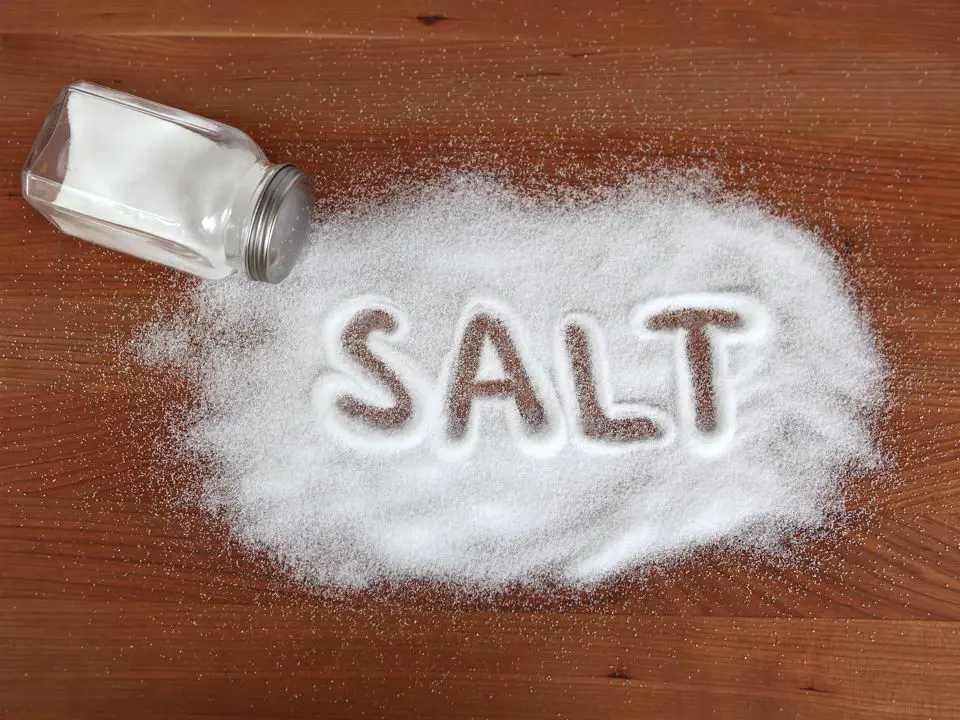
Salt28th May 2013
Contributing Writer for Wake Up World
One of the very first things I did when I first started prepping was to bolster my pantry with basic staples that could be used for variety of purposes. When it was suggested that I store salt, and lots of it, I was a disbeliever. After all conventional mainstream wisdom had taught be that salt was the bad guy. Or was it?
I made it my mission to determine whether is salt a good thing, a bad thing or simply something best treated as an item to “use in moderation”.

Salt as The Bad Guy

According to the Mayo Clinic, lowering your salt intake can help lower your blood pressure and your risk of cardiovascular disease. Furthermore, a recent article in the “New England Journal of Medicine” looked at the potential impact of reducing salt intake.
The report found that if Americans cut their salt intake by 3 grams a day, new cases of heart disease, stroke and heart attack would significantly drop — as would the number of deaths. The authors estimate that these changes could save between $10 billion and $24 billion in health care costs annually. In light of this, many experts are calling on food manufacturers and restaurants to lower the amount of salt in the foods they sell.
But Is That Really True?
On the other hand, salt/sodium is vital to keep our bodies functioning normally. It is a main component of the extracellular fluids in the body and is important for regulating hydration and other body functions such as the transmission of nerve impulses and the contraction and relaxation of muscles.
So although I personally have issues when there is too much salt in my diet, I tend to think that the use of salt is an individual thing.

How Much Salt Is Needed for Survival and Why?

For most of us, the amount of salt needed to stay healthy can be found in processed, packaged or canned foods. Let us hope that we have stored enough of these foods – especially the canned items – that we will never need to worry about adding more.
Which leads me to the next point: what are the uses of salt in an emergency situation?
Here are a few off the top of my head:
1.   Preserving meat, fish and game that is caught in the wild
2.   Providing the nominal amount of dietary sodium once the canned and processed foods are gone
3.   Taste enhancement (perhaps this should be number one!)
4.   As a natural cleaner
5.   First aid & personal care (i.e bee stings, mosquito bites, gargle for sore throats, teeth cleaning)
Having gone most of my adult life avoiding salt, coming to terms with adding salt to my survival pantry was true mind-shift. Not only is there a physiological need for our bodies to ingest salt in one form or another, but there are a multitude of other uses aside from food enhancement and food preservation.
What are some of those uses? This week I am sharing some non-conventional uses of salt compiled by my colleague ‘Above Average’ Joe at SurvivalLife.com.

27 Additional Reasons to Use and Store Salt

Salt has been an integral part of civilization dating back as far as 6050 B.C. It has been such an important element of life that it has been the subject of many stories, fables and folktales and is frequently referenced in fairy tales.
It served as currency at various times and places, and it has even been the cause of bitter warfare. Offering bread and salt to visitors, in many cultures, is traditional etiquette.
Aside from all of the uses that salt performs in terms of baking, food flavor and food preservation, salt has a number of other uses that you may never have thought of.
1. Remove Rust
Make a paste using 6 tablespoons of salt and 2 tablespoons lemon juice. Apply paste to rusted area with a dry cloth and rub. Rinse thoroughly and dry.
2. Perk Up Coffee Flavor
Add a pinch of Salt to the coffee in the basket of your coffeemaker. This will improve the coffee’s flavor by helping to remove some of the acid taste.
3. Dispose of Disposal Odor
To help remove odors from garbage disposals, pour 1/2 cup of Salt directly into the garbage disposal. By running the disposal following manufacturer’s directions, you’ll send those odors down the drain.
4. Eliminate Fish Odors
Removing fish odor from your hands is simple with Salt. Just rub your hands with a lemon wedge dipped in salt, then rinse with water.
5. Cut Cutting Board Odors
To help cut odors off of your wooden cutting board, simply pour a generous amount of Salt directly on the board. Rub lightly with a damp cloth. Wash in warm, sudsy water.
6. Soothe Sore Throats
To alleviate the discomfort of a mild sore throat, gargle several times daily with a mixture of 1/4 teaspoon Salt and 1/2 cup warm water*. It’s like taking a liquid lozenge.
7. Treat your Tootsie’s
To prepare a salt water bath, pour 6 quarts (1-1/2 gallons) warm water in a large basin. Mix in 1/4 cup Salt and 1/4 cup baking soda. Soak feet for up to 15 minutes.
8. Boiling Water
Salt added to water makes the water boil at a higher temperature, thus reducing cooking time (it does not make the water boil faster).
9. Testing egg freshness
Place the egg in a cup of water to which two teaspoonful’s of salt has been added. A fresh egg sinks; if it floats, toss it.
10. Cleaning greasy pans
The greasiest iron pan will wash easily if you use a little salt in it and wipe with paper towels.
11. Cleaning stained cups
Rubbing with salt will remove stubborn tea or coffee stains from cups.
12. Save the bottom of your oven
If a pie or casserole bubbles over in the oven, put a handful of salt on top of the spill. It won’t smoke and smell, and it will bake into a crust that makes the baked-on mess much easier to clean when it has cooled.
13. Fend Off Fire From A Rogue BBQ
Toss a bit of salt on flames from food dripping in barbecue grills to reduce the flames and calm the smoke without cooling the coals (like water does).
14. Removing pinfeathers
To remove pinfeathers easily from a chicken, rub the chicken skin with salt first.
15. Preventing mold
To prevent mold on cheese, wrap it in a cloth dampened with saltwater before refrigerating.
16. Keeping milk fresh
Adding a pinch of salt to milk will keep it fresh longer.
17. Scaling fish
Soak fish in salt water before descaling; the scales will come off easier.
18. Non-stick pancakes
Rub salt on your pancake griddle and your flapjacks won’t stick.
19. Keeping cut flowers fresh
A dash of salt added to the water in a flower vase will keep cut flowers fresh longer.
20. Keeping patios weed-free
If weeds or unwanted grass come up between patio bricks or blocks, carefully spread salt between the bricks and blocks, then sprinkle with water or wait for rain to wet it down.
21. Killing poison ivy
Mix three pounds of salt with a gallon of soapy water and apply to leaves and stems with a sprayer.
22. Deodorizing shoes
Sprinkling a little salt in canvas shoes occasionally will take up the moisture and help remove odors.
23. Relieving bee stings
If stung, immediately wet the spot and cover with salt to relieve the pain.
24. Deter ants
Sprinkle salt at doorways, window sills and anywhere else ants sneak into your house. Ants don’t like to walk on salt.
25. Clean teeth
Use one part fine salt to two parts baking soda, dip your toothbrush in the mix and brush as usual.
26. Melt snow and ice
Sprinkle salt on snow or ice to melt away.
27. Removing soot
Occasionally throw a handful of salt on the flames in your fireplace; it will help loosen soot from the chimney and salt makes a bright yellow flame.
The term “worth one’s weight in salt” means that a person is effective and efficient or deserving of one’s pay.
Now granted, some of these uses are handy dandy but not applicable to survival. Still, as Joe has demonstrated there are a ton of day-to-day uses for salt that will make our lives easier if not more pleasant.

The Final Word

I checked a number of sources and the consensus is that you should store 5 to 10 pounds of salt per person as a one year supply. This seems like a lot to me but, given that salt is so cheap, there is no harm in stocking some for emergency purposes. And now that I think about it, with so many uses, I would recommend storing a bit more for use as barter currency.
The other thing worth mentioning is that salt is easy to store. You can use Mylar bags, buckets or even re-processed jars or soda bottles. Just remember that you should not use an oxygen absorber because if you do, the salt will turn in to a solid brick!
Enjoy your next adventure through common sense and thoughtful prep