Tuesday, September 18, 2018

5 SIGNS YOU NEED TO DO A DETOX CLEANSE & WHERE TO START

 ·  · 1 COMMENT
Over time and distance, your diet, lifestyle and environmental factors all contribute to the accumulation of toxins within the body, which when left un-checked, can show up as a long list of discomforts or dis-ease.
There are tell-tale signs that you should take time out to detox which we'll cover in this article.
But even if you have no signs of sickness, detoxing to help your body reset from time to time, is one of the greatest 'insurance' policies you can embrace for your health and longevity. 
Before we get into 5 clear signs that it might be time for you to detox, it's important to grasp this basic foundational wisdom...  

SIGNS & SYMPTOMS OF TOXICITY & INTERNAL PLAQUE

Toxins commonly build up in the digestive tract as a result of what you eat and drink over time. Even a moderately 'healthy' diet can contribute to the formation of "plaque" in the intestines that will prevent you from properly absorbing nutrients and your body from performing at its best.
If your body loses its efficiency in being able to eliminate these accumulated toxins through its primary eliminatory channels - the respiratory and digestive systems - it will try to push out the offence through other channels like the skin, or store these toxins as adipose fat tissue and/or create inflammation in the body until such time as they're expelled.
These are 5 common signs that it's probably time to do a detox cleanse...

1). ENERGY LEVELS, MOODS & EMOTIONS

Perhaps you don't have any obvious "physical" symptoms or changes, but you notice that you're feeling sluggish, low on energy or not feeling your most cheerful.
You may also experience:
  • Fatigue that won't subside even after sleeping
  • Moodiness or anger
  • Anxiety & Depression
Learn more about this aspect in the blog: 5 Daily 'Musts' to Boost Your Energy Naturally 

2). SKIN ISSUES

With the largest organ of your body also being one of the eliminatory channels mentioned above, the expelling of toxins via the skin can sometimes present as the following conditions:

3). CRAVINGS & CHEMICAL SENSITIVITIES

Craving certain types of foods can indicate that you're either toxic or deficient as a result of your body not being able to absorb all the nutrients that it needs.
Common cravings include:
  • Sweet sugary foods
  • Fatty or Salty foods
Additionally, you may become sensitive to certain smells or being exposed to certain chemicals from:
  • Perfumes, aftershaves or colognes
  • Auto exhaust fumes
  • Artificially scented foods & products
  • Cleaning products & chlorine. 

4). ODOUR

One of the not very pleasant and often most noticed signs is that of body odour, as your body tries to expel toxins via your sweat glands.
Bad breath can also be a sign of toxicity in the body, especially if it doesn't go away even after practising sufficient oral hygiene.
Learn more about this aspect in the blog: Knock Out Body Odour Without Harmful Anti-Perspirants

5).  WEIGHT & BLOATING

This can manifest by either losing weight or gaining weight without explanation.
Due to toxins being stored as fat, many people begin to put on weight especially around the belly.
Learn more in the blog: Losing Weight: The Big Fat Lie 

WHERE TO START...

So if you're experiencing one or more of these signs, chances are that you do need to do a detox cleanse.
Obviously, cleaning up your diet and reducing the toxic load you're exposed to environmentally and around the home can help, but the 'fastest path' is to experiment with some form of fasting to kick start the detoxification process... 
Learn more in the blog: Fasting: What You Should Know 

WATER FASTING

The fastest path of only drinking water for an extended period is a sure fire way to quickly start eliminating not just toxins, but also pathogens, viruses and even cancer from your body. 
However, this path is not always suitable for everyone, so it's important to consider your personal circumstances and surroundings, and if you're not in a situation that supports this type of extreme protocol, you'll want to consider more moderate paths like these...

JUICES & WHOLE FOODS

Fresh juices from both fruits and vegetables are electrically charged, liquid nutrients that are rapidly absorbed into your bloodstream because they require very little digestion.
It's the primary reason why "juice fasting" is one of the quickest ways to detox, cleanse and repair - it allows your body to channel its available energy to the healing process without the burden of constantly processing food.
However, there are several important things to consider before embarking on either a juice fast or "juice feast" as part of a detox cleanse program.  It's particularly important that you prepare and consume 'cold-pressed' juice (as opposed to that made by a 'centrifugal' machine), as the living enzymes are not destroyed at the time of juicing...
If you'd prefer to still eat and detox at the same time, why not experience what anciently they referred to as "Walking the Rainbow Bridge" - embracing fruits and vegetables from one colour of the rainbow spectrum each day for 7 days. Learn about how do this and prepare with our FREE RA-W Food Discovery Video Course
The other option - and probably the simplest of all - is to do a Pulse Sacred Meal detox for 7-14 days, where you simply consume Pulse as a whole food meal replacement and drink water for this period.
Brilliant ancient figures of the past would do this type of cleanse to help purify their bodies and add strength, mental clarity and performance.
Pulse is handcrafted locally in Australia from a delicious mix of dried fruits, raw nuts and seeds to an exact recipe aligned to the 'Phi ratio', otherwise known as "golden measured meals".

COLON CLEANSE

My Natural 4 Day Colon Cleanse protocol harnesses the amazing power of Mother Earth's own potent detoxifiers of Flaxseeds, Psyllium Husk and Bentonite Clay which is ground into a fine powder, that you combine with water to bind and then expel toxins, plaque and heavy metals from your gut.

LIVER CLEANSE

Thanks to its unique "anions" the lemon is the most powerful way to both cleanse toxic free-radicals from the body and restore your liver.
Add the juice of one whole lemon to a glass of water, add a pinch of nature-made salt and drink first thing in the morning.
You can also support the liver cleansing process with Pure Plant Essential Oils.
Zendocrine Pure Essential Oil Blend is a special formulation of Rosemary, Cilantro, Juniper Berry, Tangerine & Geranium to assist with supporting liver function and ridding unwanted substances from the body

OTHER WAYS TO SUPPORT THE DETOX PROCESS

ENEMAS & COLONICS

Both of these protocols work by gently injecting water into the colon.
They can support your detox cleanse by helping to clear out, gently loosening and extracting the stored waste being expelled via your lower digestive system.
Enemas are typically something you can administer yourself at home with an Enema Kit, whilst colonics are available from local clinics.
When it comes to Colonics, be sure to look for ones that specialise in 'gravity flow' technology as it is gentler and will avoid any chance of colon damage which some higher pressure machines have been known to cause.

BATH SOAKS

Epsom Salt baths are effective also because they boost magnesium levels in your body, which is required for cell detoxification and also assist with expelling heavy metals through the eliminatory channel of your skin (your body's largest organ).

REPLACE TOXIC BEAUTY & PERSONAL CARE PRODUCTS

What you put on your skin each day impacts your body’s immunity and eliminatory channels. Through a process known as ‘passive diffusion’, toxins can pass through all seven layers of your skin and into your lymphatic system and bloodstream. 
As a result, if you're using commercial skin creams, lotions and cosmetics each day just be sure that they contain nothing toxic and if they do be sure to replace them with natural chemical-free alternatives.

POST CLEANSE

Once you've finished a detox cleanse, it's best to ease your way back into your normal (hopefully 'healthier' lifestyle).
As you come off your detox, start with foods that are light on your digestive system like salads, soups, fruits, juices and smoothies.
Keep your water intake at a good level - at least 2 litres of water per day.
Try to embrace one or two new habits into your routine that will help you continue to live a tox-free lifestyle.  It can be as simple as:
  • Starting each morning with fresh squeezed lemon juice and/or Apple Cider Vinegar and water;
  • Walking for 30-45 minutes each day;
  • Having a hot salt bath 2-3 times each week;
  • Avoiding breakfast 4-5 days a week to give your body more time to 'fast' during each 24 hour period.
Overall, you'll want to eat more foods that are naturally cleansing and nourish and feed your cells while not being taxing on your digestive system.  Here are the Top 7 Reasons to Embrace a Plant-Based Diet & How to Do It
To learn more about the 3 Pathways to Health & Healing and the ways you can detoxify and cleanse your body, check out our Detox & Heal page.  

CONCLUSION

The ancient wisdom was that regardless of your state of health, we should generally detox or cleanse with every change of season i.e. 4 times a year for 7 days = 28 days each year. 
If that's too much, then choose one day a week as a 'fasting' day, or at least consider the concept of 'Spring Cleaning' by supporting your body to release any unwanted winter waste. 
Finally, remember that 'self care' is about having a proactive rather than 'reactive' approach to your health and wellbeing.  Prevention is always better than cure, so any time you take to detox periodically will be setting you up for your best long term health.
'Cowboy' Don.

JOIN OUR SELF CARE COMMUNITY:  

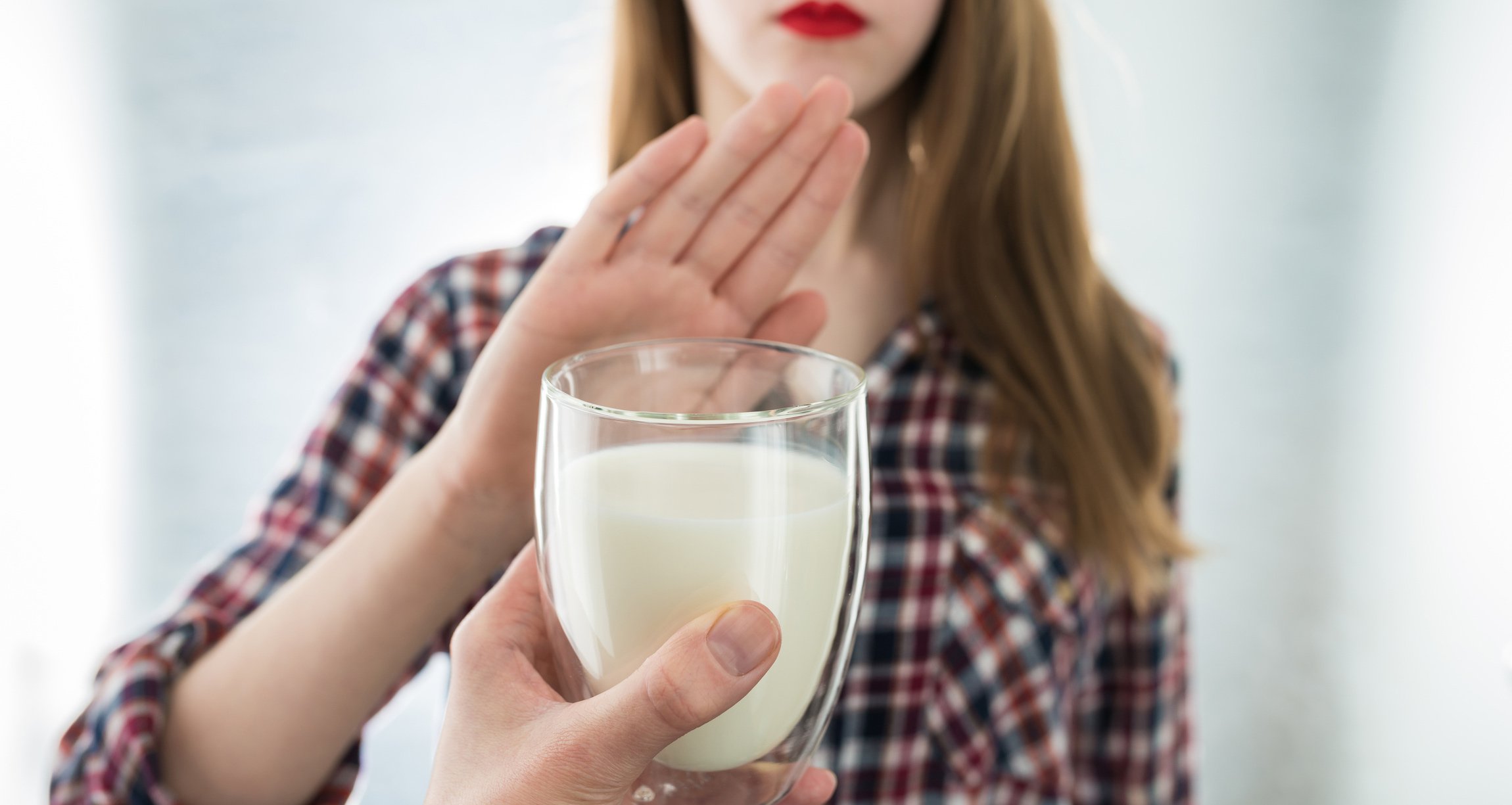
Why Milk Isn’t Necessary for Strong Bones or Weight Loss — But Is Linked to Disease and Other Health Issues

30,680READERS
saying no to glass of milk
2KSHARES
Discover the truth about milk that the dairy industry doesn’t want you to know.

By Neal Barnard, MD • A version of this article was originally published in Good Medicine, a magazine from the Physicians Committee for Responsible Medicine.
The 2012 report published in the Archives of Pediatric and Adolescent Medicine must have rattled the dairy industry. Authored by Kendrin Sonneville from Harvard University, the study tracked fracture rates in 6,712 adolescents. The results showed that active children who consumed the largest quantities of milk actually had more bone fractures than those who consumed less.
In other words, milk doesn’t actually build strong bones.
Previous studies have shown similar findings. Studies of young women published in the journals Bone and Pediatrics show that bone density was bolstered by physical activity but that increased calcium intake made no difference.
Evidence suggests that milk is similarly unhelpful at the other end of the lifespan when osteoporosis and bone breaks are particularly common.
The Harvard Nurses’ Health Study, which followed more than 72,000 women for 18 years, showed no protective effect of increased milk consumption on fracture risk. Those women who consumed the most milk were as likely to suffer a hip fracture as those who avoided milk.

The Dairy Industry’s Faltering Credibility

Discover the truth about milk.
The milk-builds-strong-bones claim was not the first to collapse under scrutiny. In 2005, the Physicians Committee for Responsible Medicine (PCRM) petitioned the Federal Trade Commission (FTC) to examine industry advertising claiming that milk could cause weight loss.
A multimillion-dollar, celebrity-filled ad campaign was based on the findings of a single Tennessee researcher who reported that, in small numbers of people, dieters who included milk in their low-calorie diet plans lost more weight than dieters who left milk out. Other researchers were not able to replicate the finding.
In response to PCRM’s petition, the FTC’s Division of Advertising Practices met with U.S. Department of Agriculture staff who oversaw the campaign and representatives of the National Fluid Milk Processor Promotion Board and the National Dairy Promotion and Research Board who agreed to discontinue all advertising and other marketing activities involving weight-loss claims.
The decision also applied to Dairy Management Inc., which was created to increase demand for U.S.-produced dairy products on behalf of America’s dairy product producers.

The Truth About Milk: More Troubling Findings About Dairy

The studies disproving milk’s benefits for bones or weight loss turned out to be the tip of a scientific iceberg.
A Harvard study of 20,885 men published in 2001 showed that men having 2 1/2 servings of dairy products daily had a 34% increased risk of prostate cancer, compared with men consuming little or no dairy products.
A separate Harvard study, this one including 47,871 men, had shown much the same thing — men having two or more milk servings each day had a 60% increased risk of prostate cancer.
The scientific issue of most concern to public health officials is the load of fat in dairy products. The 2010 Dietary Guidelines for Americans described the sources of saturated fat — the “bad” fat that leads to heart disease and other health problems — in the American diet. Dairy products turned out to be the biggest source.
Typical cheeses are about 70% fat, much of which is saturated fat. Skimming the fat from milk leaves a drink loaded with sugar. Lactose sugar contributes more than 55% of skim milk’s calories, giving it a calorie load similar to soda.
Cow’s milk consumption by infants and toddlers is linked to type 1 diabetes and to anemia. As children reach their teen years, many experience cramps and diarrhea due to lactose intolerance. This is especially true for those of African, Asian, Hispanic, Native American, or Mediterranean heritage.
Editor’s note: As infants, our bodies produce a digestive enzyme called lactase, which breaks down lactose from mother’s milk. But as we grow up, many of us lose the ability to do that, experiencing significant digestive problems when drinking cow’s milk. By adulthood, about three-quarters of the world’s population is unable to break down lactose. The only ethnic group on the planet that can usually digest lactose is Caucasians. Most people of African, Asian, Arab, and Indigenous ancestries cannot.

The Ethical and Environmental Impacts of Dairy

The truth about milk: ethical and environmental impacts
A cow on a modern farm may produce more than 20,000 pounds of milk per year. To maintain maximal milk production, farmers impregnate cows annually, inserting one arm into the cow’s rectum while using the other to insert a long metal rod holding semen into the cow’s vagina.
Male calves born through this process cannot join the dairy herd and are placed in crates to be raised as veal. The female calves are often dehorned, typically without anesthesia.
The 60,000 dairy farms in the United States also contribute methane — the product of ruminant digestion — a greenhouse gas that is 25 times more potent than carbon dioxide. The production of dairy products generates the third highest level of greenhouse gas emissions of commonly consumed foods.
Editor’s note: The world’s top five meat and dairy corporations are now responsible for more annual greenhouse gas emissions than ExxonMobil, Shell, or BP.

Healthy, Plant-Powered Calcium Sources

Calcium is an essential nutrient. But non-dairy sources of calcium such as beans, tofu, broccoli, kale, collard greens, bread, cereals, and non-dairy, calcium-fortified beverages provide adequate calcium without any of the health, ethical, or environmental detriments associated with milk consumption.

Tell us in the comments:

  • Does the truth about milk surprise you?

Beans, tofu, broccoli, kale, tahini & quinoa provide enough calcium without the negative effects of milk consumption.

Read Next:

Tuesday, September 11, 2018

How to Re-Parent Your Wounded Inner Child

July 19th, 2018
Guest writer for Wake Up World
I stood staring at the crumpled, wind-battered flyer on the noticeboard. Something had stopped me in that moment, something had driven me to contemplate those words, chewing on them slowly in my mind.
It’s never too late to have a happy childhood …
I sat down from afar, staring from my solitary bench at the baby blue and sunflower yellow words, the cliche associations of flower-power, group hugs and fairy-cherubs bombarding my thoughts. Certainly, the notions associated with healing your inner child are not always universally appealing, but in that moment I instinctively knew that there was some deeper truth and value there, something powerfully healing.
And so began my quest to re-parent myself, my journey to reconnect to that lost and lonely inner child. If you are interested in creating more wholeness and happiness in your life, keep reading what I discovered.

What Was Your Childhood Like?

It’s a simple enough question, and one we all have a unique answer for. While some of us had supportive, loving and open-minded upbringings, others of us experienced neglect to varying degrees.
If you had a wonderful childhood, chances are that you are quite close and connected to that creative, childlike subpersonality within yourself as an adult. If, however, you consider your childhood as lacking or deficient in some way, you most likely experienced any combination of the following types of neglect:
1.  Emotional
Your parents/guardians didn’t show interest in your emotional needs for love, support, protection and/or guidance. They either didn’t pay attention to you, or condemned emotional expressions of need from you. The likely outcome of this was that:
  • You developed low self-worth and esteem for yourself.
  • You began ignoring your emotional needs.
  • You learnt to hide from, avoid or repress your emotions as they were associated with feelings of neglect from your childhood.
  • You developed psychological or physical sicknesses connected to your inability to listen to, accept and deal with your emotions in healthy ways (e.g. emotional repression).
2.  Psychological
This type of neglect was manifested in childhood by your parents/guardians who failed to listen to, embrace and nurture the person you were. As you grew older, you likely developed any variety of these symptoms:
  • You developed low self-esteem issues due to forms of abuse such as ridicule, put-downs, overly high expectations, being ignored, rejected, or constantly punished.
  • You developed deep-seated anger issues both from unresolved childhood trauma, and an inability to love oneself.
  • You developed addictions and neurosis to create a misguided sense of comfort and safety within your life.
  • You developed psychological and/or physical illnesses.
  • You have problems sustaining healthy and respectful relationships.
3.  Physical
At a basic and fundamental level, physical safety and nourishment is one of the most intrinsic elements of a loving relationship. We can see this in nature, with mothers and fathers nourishing their chicks, pups and cubs with food, shelter and protection. When this is lacking, however, the following issues can develop:
  • Low self-worth resulting in physical neglect/abuse of oneself, e.g. eating disorders (anorexia, obesity), maintaining an unhealthy diet, self-harm.
  • Intense safety-seeking behaviors (psychological complexes such as OCD) or extreme risk-taking behaviors (e.g. unprotected sex, obsessive daredevil feats, etc.)
  • Addictions to drugs, alcohol, violence, food, etc.
  • Sexual dysfunction or promiscuity (often due to sexual abuse).
It’s important to remember that while some – or even many – of our problems stem from childhood neglect, grudge-holding, blame and self-pity will get us nowhere. People are victims of victims, meaning that the reason why our parents/guardians behaved the way they did was most likely because of their neglected upbringing, and their parents were the way they were for similar reasons – and so on and so forth.
The real culprit here is a lack of awareness for oneself and one’s actions.

How to Re-Parent Your Inner Child

Sitting on that lonely bench staring at the blue and yellow flyer, I realized something. Our parents or guardians may have not fulfilled all our needs, or any of our needs, but we can. The concept is strange, even foreign to us, but we can be our own parents. Not only that, but we can actually re-parent ourselves if we put in enough time and effort.
The benefits?
  • Greater happiness and optimism.
  • Improved creativity.
  • Healthier mind, body and soul.
  • Stronger friendships and relationships.
  • Development of essential life skills: acceptance, forgiveness, vulnerability, compassion, self-love.
From what I have experienced, witnessed, and researched, the following steps will help you to reconnect, and re-parent your inner child.
1.  Be willing and open to make that connection. 
Hosting any doubt, hesitation or cynicism will slow the process of healing that vulnerable, childlike side of yourself.
2.  Think about what you were like as a child. 
Meditate on how you felt, what you liked, disliked, and what your hobbies and passions were. Gain a clear image of who your inner child is. Looking at old photographs can stimulate many memories (and in my experience stirs a lot of emotion, so you may like to prepare yourself).
3.  Encourage your childlike self to come out and “play”. 
For example, try doing something you loved as a child (e.g. blowing bubbles, swinging on a set of swings, eating candy, playing with toy cars, doing handstands).
4.  Introduce more “playtime” into your life. 
Be silly. Do something pointless and ridiculous just for the pure enjoyment of it. As “grownups” we have this absurd unspoken belief that life must always be serious; about responsibility and duty. The quickest thing to age you is not your body, but your mindset.
5.  Explore why you have been so out-of-touch with your inner child.
What was it that happened in your childhood or adolescent years that cut you off from that vulnerable, innocent and playful side of yourself? How did your parents or guardians treat you as a child? Did they cater to your emotional, psychological and/or physical needs? Did you experienced any trauma? How do your thoughts, feelings, behaviors and beliefs reflect what you experienced as a child? In order to better know yourself and the reasons why you’ve ended up in the place you are, it is essential to ask these tough questions, and seek for solid answers.
6.  Take steps to provide a safe, supportive and nurturing life for yourself. 
In order to truly re-parent yourself, you must develop Self-Love. You must be able to see that you are intrinsically valuable, loveable and worthy, and take steps to affirm that in your life. Such steps could include daily affirmations, e.g. “I am worthy. I honor my inner child. I am safe and loved. I have freedom and happiness.” Other steps could include changing negative habits and mindsets and replacing them with new ones, treating and rewarding yourself, as well as developing mindfulness and awareness of your fundamental emotional, psychological and physical needs.
Although we may have suffered misfortune as a child, it is never too late to re-live our childhoods and reconnect to that childlike side of ourselves. When we take responsibility for our happiness in life, we have the power to heal ourselves and create greater wholeness. This gift can never be taken away from us.
Please share your stories and recommendations below regarding your experience with your inner child. This will help us all learn and grow more!
Also by Aletheia Luna:
About the author:
Aletheia Luna is an influential spiritual writer whose work has changed the lives of thousands of people worldwide. As a child, Aletheia Luna was raised in a fundamentalist Christian church. But after experiencing depression, isolation, and anxiety as a result of their dangerous cult teachings, she experienced a spiritual awakening at the age of 19. Since leaving and picking up the pieces of her life, Luna has dedicated herself to intense inner healing and a process she calls soulwork. Later, in 2012 she co-founded popular spiritual website, lonerwolf.com. As a mystic, spiritual mentor and soulwork therapist, her mission is to help others become conscious of their entrapment, and find joy, empowerment, and liberation in any circumstance.
This article How to Re-Parent Your Broken Inner Child was originally published on lonerwolf.com.